Roland Yeung, long time ABODA contributor and life member, presented as part of ANBOC 2021 hosted in Western Australia. He presented two sessions which were recorded on video. ANBOC 21 was an on-line only conference.
ANBOC 2021 Music Moves Us presented by ABODA WA
Presentation One: The Creativity of Percy Grainger. This provides an update on new and exciting resources related to ‘Understanding the Creativity of Percy Grainger’ including the new Grainger Journal and discussions on Grainger’s folk song studies.
Presentation Two:In The Beginning – Then What Happened!! Roland will be exploring how young teacher-conductors can use conducting strategies and techniques to ensure excellent performances at festivals and competitions. The conducting techniques demonstrated use the principles of the Saito Conducting Method.
At the ASME (Australian Society of Music Education) National Conference XXII held in Perth at the University of Western Australia 2-4 October 2019, Roland was presented with the Music: Educating For Life Award, one of six given across Australia.
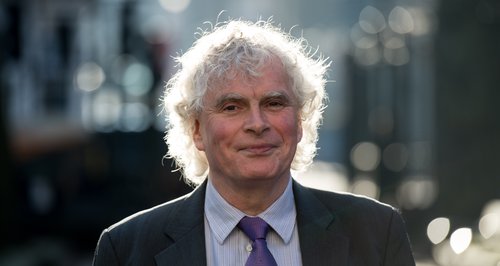
‘Conducting is hard – it doesn’t get easier’: Simon Rattle’s top conducting tips18 Classic FM September 2017
Simon Rattle explains the complex role of the conductor. This sheds light on how and what a conductor does in rehearsal to ensure the best experience for everyone.
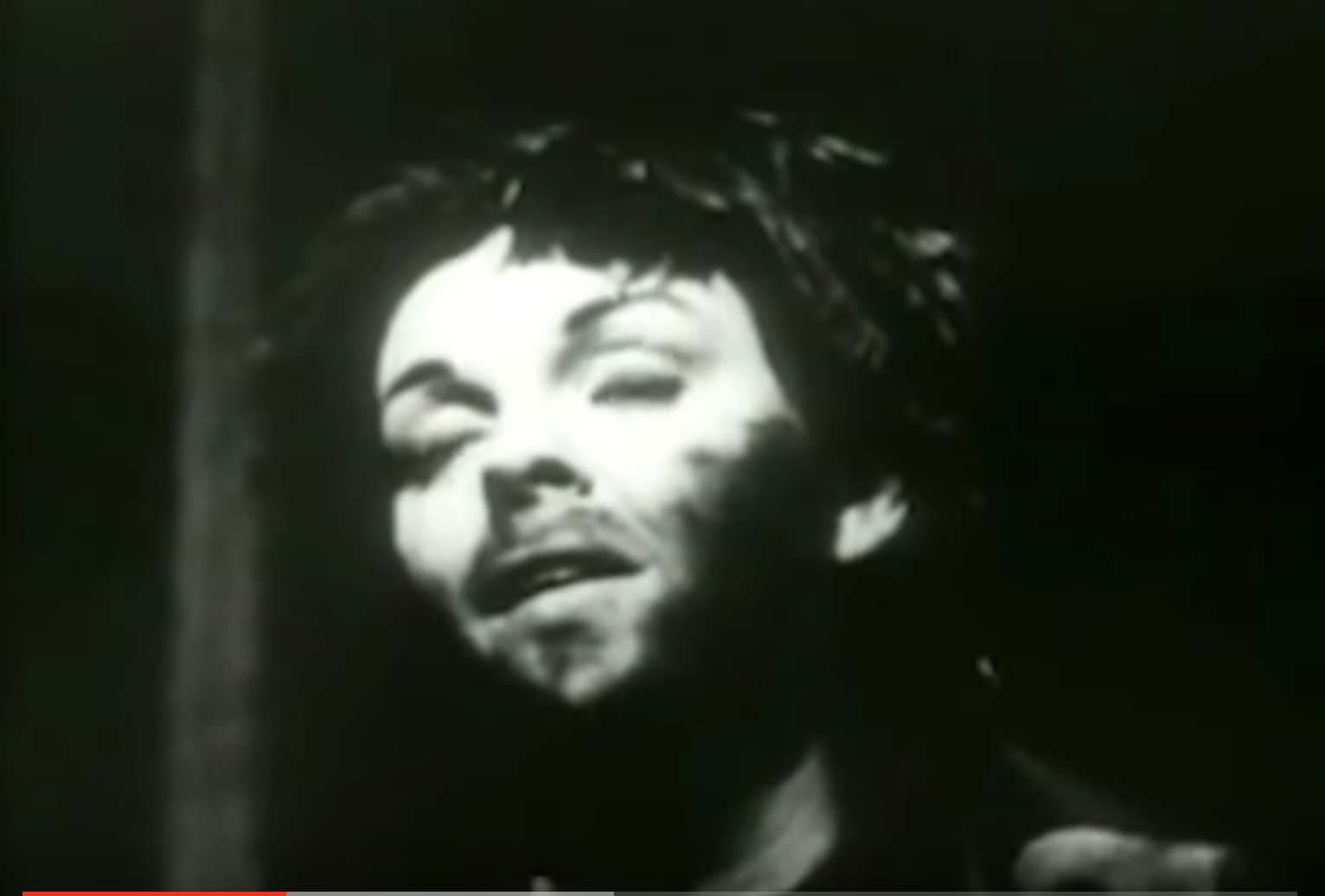
When compared to the smooth rendition of Over The Rainbow in the film click here, this performance may sound very choppy, slightly desperate and at time rather raw. … Here we see Garland 16 years later, and we can ‘hear’ how much of life she’s experienced. At times it’s as if we’re watching her battle every emotional demon in her life. But somewhere, in those final moments, she seems to make the decision that she’s going to survive. And at the moment it doesn’t matter whether or not the tone is beautiful, the pitch is perfect, or if the whole performance is a bit wobbly. All that matters is that for a moment, she allowed us to see so clearly into her heart.
To listen to the 1955 version, click here and enjoy!
From Popular Singing and Style by Donna Soto-Morettini 2nd edition page 234.
This performance comparison is illuminating when evaluating accuracy and artistry. When does “very choppy, slightly desperate and at time rather raw” become feelingful music? How does a performer achieve this without being judged as having poor rhythm?
The impact of Judy Garland’s 1955 singing is very emotional. How does the conductor accompany an interpretation like this. I imagine that the interpretation in rehearsals may not have been anything like the performance.
Wonderful singing and a wonderful challenge to be conducting the accompaniment. I would love to do that!
Today the buzz is all around a woman’s place in the world. There’s lots of long overdue debate about the roles and opportunities for women in classical music too. However no one can deny that western music is historically dominated by men. No wonder that women, more than men, lose motivation to continue studying music and musical composition.
“I want to show to the world (to the degree that it is granted to me in this profession of music) the foolish error of men, who so greatly believe themselves to be masters of high intellectual gifts which cannot, it seems to them, be equally common among women.”Maddalena Casulana (Italy, c.1544 – c.1590)
You see, even in the sixteenth century, this gender imbalance was evident! According to the International Encyclopedia of Women Composers by Aaron I. Cohen, there are more than 6,000 female composers who didn’t give up – and that list was complete only up until 1984. Through the present day women have made a significant contribution to music but often than not their contribution has been overlooked. We cannot ignore the fact that many of those who are recognized have had to face more hardship and resistance to their achievements than men – it has certainly not been a level playing field. Even when their work has been praised, women are less rewarded for it.
Donne and Drama Musica are standing firm for women composers and we invite you all to join us on this journey.
Let us praise the composers of the past, let us nurture and appreciate women composers writing new music now and with our hearts and souls let us encourage those who compose in the future. Help keep these women’s names and their music alive.
Spread the word and join us in recognising that women are musical geniuses too.
DONNE is my way, as a musician, to share with as many people as possible the fascinating stories of so many neglected women composers. Sadly, many of them were unrecognised in their lifetimes and, for a series of reasons, their music was allowed to disappear from the public ear, unacknowledged and ignored.
By raising awareness about the huge inequality that we currently experience when it comes to knowing these women and hearing their music, we hope to help to create a more equal world for future generations.
That’s how an adventure starts…
Discover the lost world of women in music. Hear their stories in this website and listen to live interviews with women composers making their mark in the music world, now, today.
Welcome to DONNE! Join us and help us to spread the word.